We’re currently performing technical maintenance. Some features may be temporarily unavailable. Thank you for your understanding.
Plumbing Repairs: How to Repair Water Pipes
If you want to save money and test your skills, this article will guide you step by step on how to repair a water pipe, what tools you will need, what to pay attention to during the process, and when it’s better to trust the repair to a professional.
Water Pipe Repair is an essential skill for any DIY enthusiast or professional who wants to keep their home in working order without costly service calls. Fixing a cracked water pipe, especially a plastic one, doesn’t have to be a difficult task if you know the right approach. Whether it’s repairing a crack, clearing a blockage, or stopping a leak, the right tools and precise following of instructions can prevent more serious damage and accidents.
The repair process includes diagnosing the damage, preparing the surface, using specialized connectors, seals, or adhesives, and checking for leaks after the work is completed. Mastering this skill saves time and money and ensures confidence that your plumbing is functioning properly.
Causes of Water Pipe Failures
The causes of water pipe damage can vary but generally fall into two main categories: natural damage and mechanical damage.
Natural Damage:
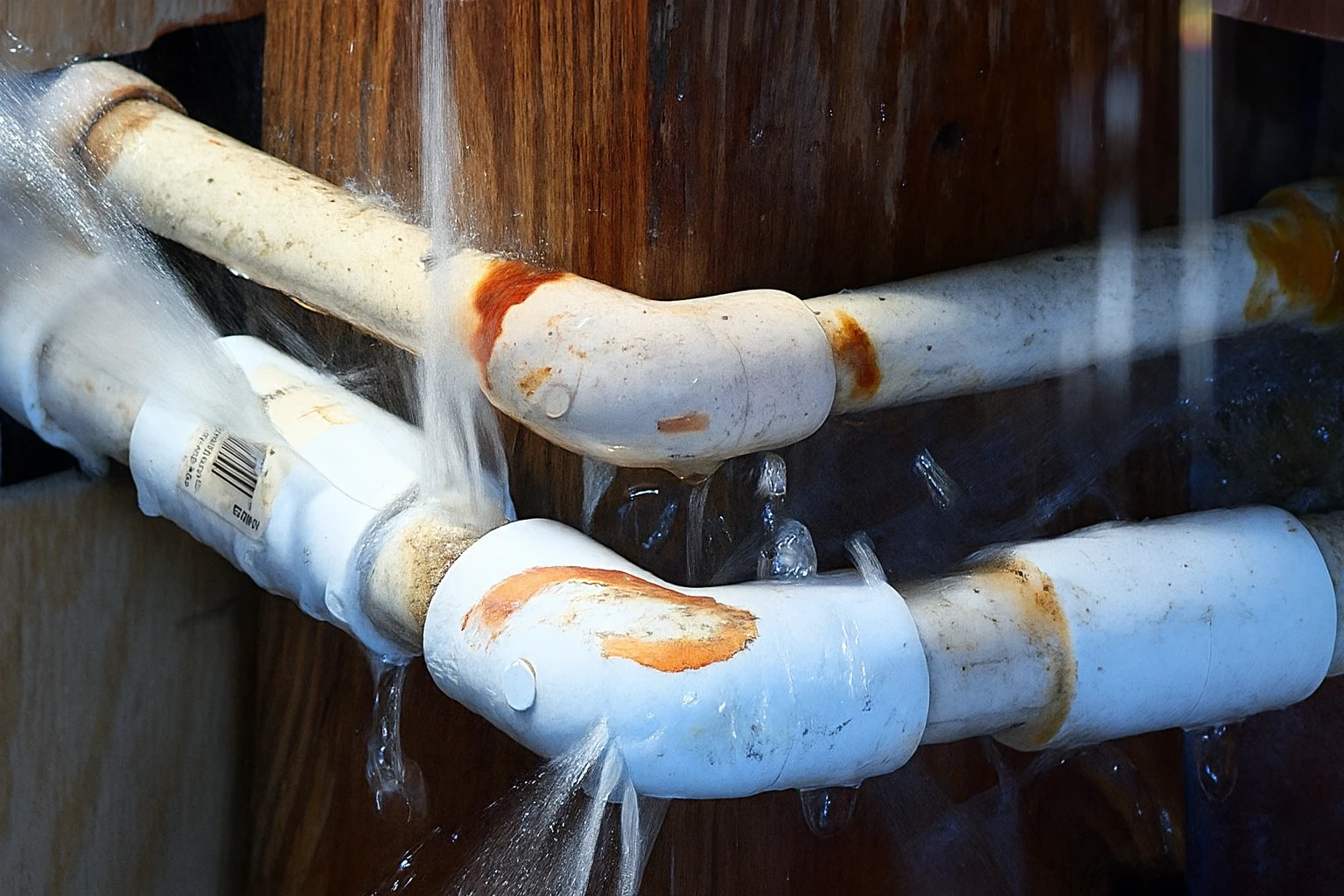
Aging and material fatigue are the primary factors that lead to cracks and leaks in pipes. Freezing temperatures can also cause pipes to crack, especially if they are not adequately insulated. Corrosion is another common issue, particularly affecting steel pipes.
Mechanical Damage:
This type of damage is caused by accidental drilling into a pipe during construction work or damage from heavy machinery during excavation. Damage can also result from improper installation or assembly.
Water Pipe Repair Instructions from Experts
Before starting the repair, it is important to make sure that you have all the necessary tools and materials at hand.
Tools and materials:
Metal Detector:
Helps locate pipes in walls (if necessary).
Vaseline and Plumber's Tape:
For quick temporary fixes.
Epoxy Resin or Two-Part Putty:
For permanent sealing of cracks and splits.
Repair Clamp:
For quick and reliable pipe repairs.
Rubber and Hose Clamps:
For emergency repairs.
Sandpaper or Sanding Sponge:
To prepare the surface before applying adhesive.
Plastic Pipe Adhesives:
For repairing and assembling plastic pipes.
Step-by-Step Guide to Repairing Water Pipes
Locate the Problem
First, you need to find the source of the water leak. If the crack is in a visible location, such as a pipe near a radiator, repairing a plastic water pipe will be easier. Otherwise, use a metal detector to locate the pipe in the wall and identify where the wet spot is spreading from.
Shut Off the Water Supply
Before starting the repair, shut off the water supply and open all faucets to drain the water from the pipes. This will reduce pressure in the system and prevent further water leakage during the repair.
Temporary Repair
If you need a quick fix, use vaseline and plumber's tape. Press the vaseline into the crack and wrap the area tightly with tape. This method can serve as a temporary solution until a professional arrives.
Permanent Repair
For a permanent repair, use epoxy resin or two-part putty. First, roughen the damaged area with sandpaper or a sponge, then prepare the mixture according to the instructions and apply it to the crack. Secure the joint with tape and let the adhesive cure for the time specified in the instructions.
Using a Repair Clamp
A repair clamp is a reliable solution for fixing cracked pipes. Wrap the damaged area with the clamp and tighten it according to the manufacturer's instructions. This method is suitable for pipes made of various materials, including cast iron, steel, PVC, and stainless steel.
Common Water Pipe Problems
1. Leaks at Joints:
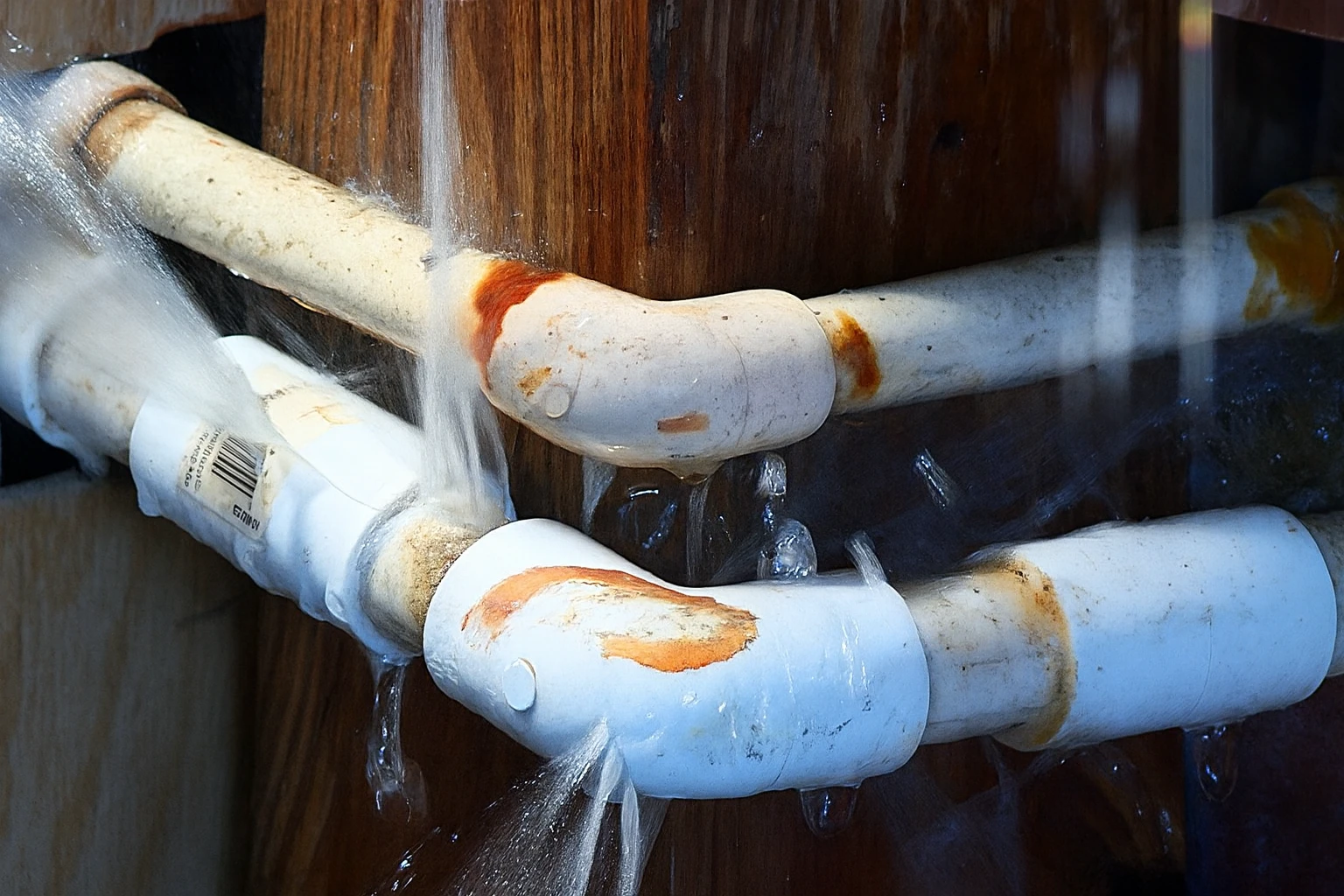
Can be caused by improperly tightened joints or worn-out seals. Tighten the joints or replace the seals.
2. Clogged Pipes:
Often caused by mineral deposits or foreign objects. Use chemical cleaners or mechanical means such as a plumber's snake to clear the clog.
3. Corrosion of Metal Pipes:
If you find that pipes are corroding, consider replacing them with new ones, ideally made of plastic, which does not corrode.
4. Cracked Plastic Pipes:
Repairing plastic water pipes can be done using special adhesives and a repair clamp.
Trust the repair to professionals with WeCan!
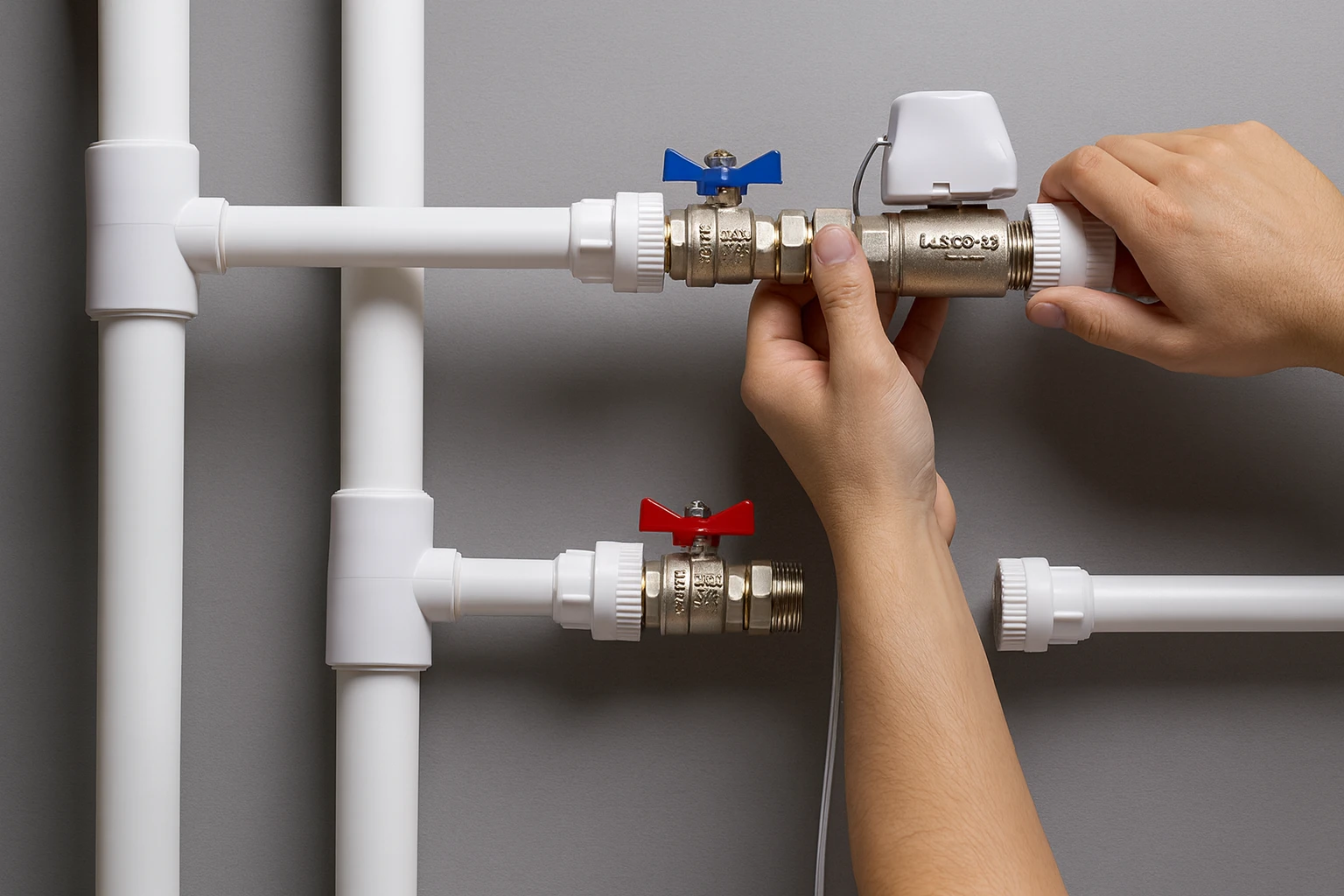
Regular maintenance of the water supply system is essential if you want to avoid bigger problems and ensure that your pipes will serve you for a long time without complications. If you're unsure how to do it, or if you encounter something more complex, it's always better to consult a specialist. If you don't want to waste time searching and need to quickly find someone to help, try using the Wecan platform. It's simple, fast, and free – and you can be sure they'll find a specialist who will solve your problem without unnecessary hassle.