We’re currently performing technical maintenance. Some features may be temporarily unavailable. Thank you for your understanding.
What to Build a House From? Types and Modern Building Materials
Building a House on Your Own? What Professionals Think About MaterialsIn this article, we will explore which construction materials are currently the most in demand, compare their properties and advantages, and discuss modern solutions for a reliable and energy-efficient home.
Building a house is one of the most important decisions in life. Choosing the right materials affects not only the appearance and functionality of the building but also its durability, energy efficiency, and future maintenance costs. It is also worth considering whether to build on your own or hire a construction company. Building independently does not always save money, but with the right approach and following professional recommendations, it is possible to construct a house that will last for many years and provide comfort.
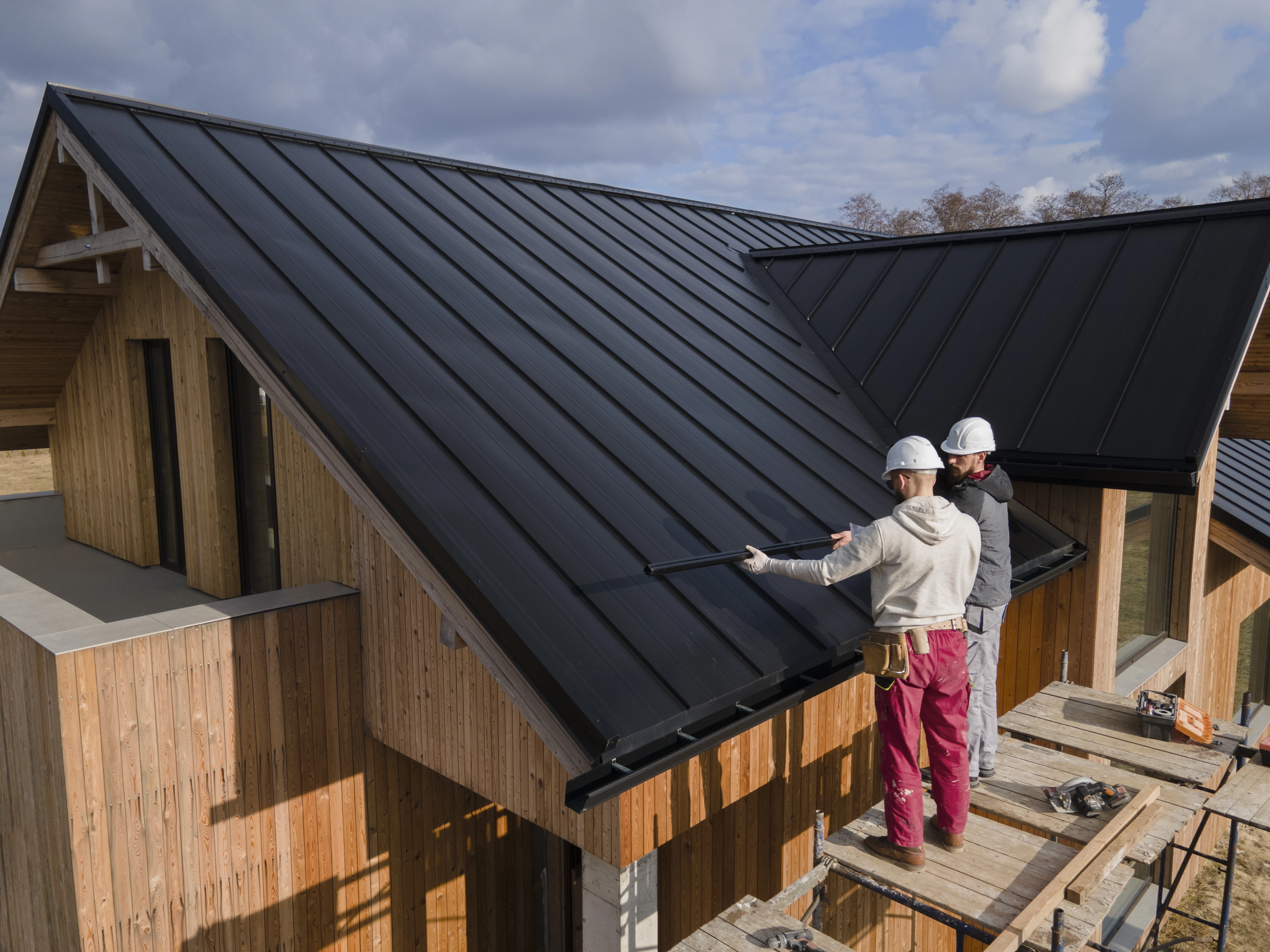
Types of Building Materials for Houses
There are many different types of building materials, each with its advantages and disadvantages. The most commonly used include timber, bricks, concrete, and stone.
Timber:
A traditional and very versatile material used for load-bearing structures, roofing, flooring, and decorative elements. Timber is lightweight, easy to work with, and provides a natural aesthetic. There are many types of wood that can be used for different purposes:
Softwood (e.g., pine, spruce):
Cheaper and readily available, ideal for structural elements and decorations.
Hardwood (e.g., oak, maple):
More expensive but offers greater strength and durability, suitable for flooring and furniture.
Laminated wood:
Made from layers of wood glued together, it provides high strength and stability, ideal for large load-bearing structures.
However, wood is susceptible to rot, pests, and fire, requiring regular maintenance and treatment. Modern wood treatment methods, such as pressure impregnation and protective coatings, can significantly increase its durability and lifespan.
Bricks:
Have a long history and provide excellent thermal insulation and acoustic properties. Modern bricks often contain insulation layers that improve their properties. Bricks (including aerated concrete and sand-lime bricks) are fire and weather-resistant, but their installation is time-consuming and requires careful masonry work.
Concrete:
A versatile material used for foundations, walls, ceilings, and other structural elements. Concrete can be reinforced with steel to increase its strength and durability. Concrete is resistant to moisture, fire, and pests, but its production is energy-intensive and has a negative environmental impact.
Stone:
A highly durable and aesthetically pleasing material, ideal for foundations and decorative elements. Stone provides excellent thermal and sound insulation, but its high weight and extraction and transportation costs make it less accessible. Stone is also challenging to install and requires specialized skills.
Modern Building Materials
With technological advancement, new materials are emerging that combine traditional properties with modern benefits. The most interesting include sandwich panels, eco-friendly materials, and next-generation insulation.
Sandwich Panels
Sandwich panels consist of layers of different materials that provide excellent insulation properties and structural strength. They are quick and easy to install, reducing labor costs and speeding up construction. Sandwich panels are often used for building walls, roofs, and floors, and are ideal for low-energy and passive houses. Additionally, they can be made from recycled materials, enhancing their ecological value.
Eco-Friendly Materials
With the growing emphasis on sustainability, eco-friendly materials are becoming increasingly popular. These include recycled materials, wood from sustainable sources, and innovative materials such as hempcrete, which combines lime and hemp fibers, or mycelium blocks made from fungal fibers. These materials have a low carbon footprint and often offer excellent insulation properties.
Recycled materials:
These include recycled steel, glass, plastics, and wood. Using recycled materials reduces the need for new resources and minimizes waste.
Wood from sustainable sources:
Forestry certified by organizations like FSC (Forest Stewardship Council) ensures that the wood comes from sustainably managed forests.
Hempcrete:
Lightweight, offers excellent insulation properties, and is resistant to mold and rot. Additionally, it is biodegradable.
Mycelium blocks:
Made from fungal fibers mixed with organic waste and hardened into a solid form. These blocks are lightweight, insulating, and biodegradable.
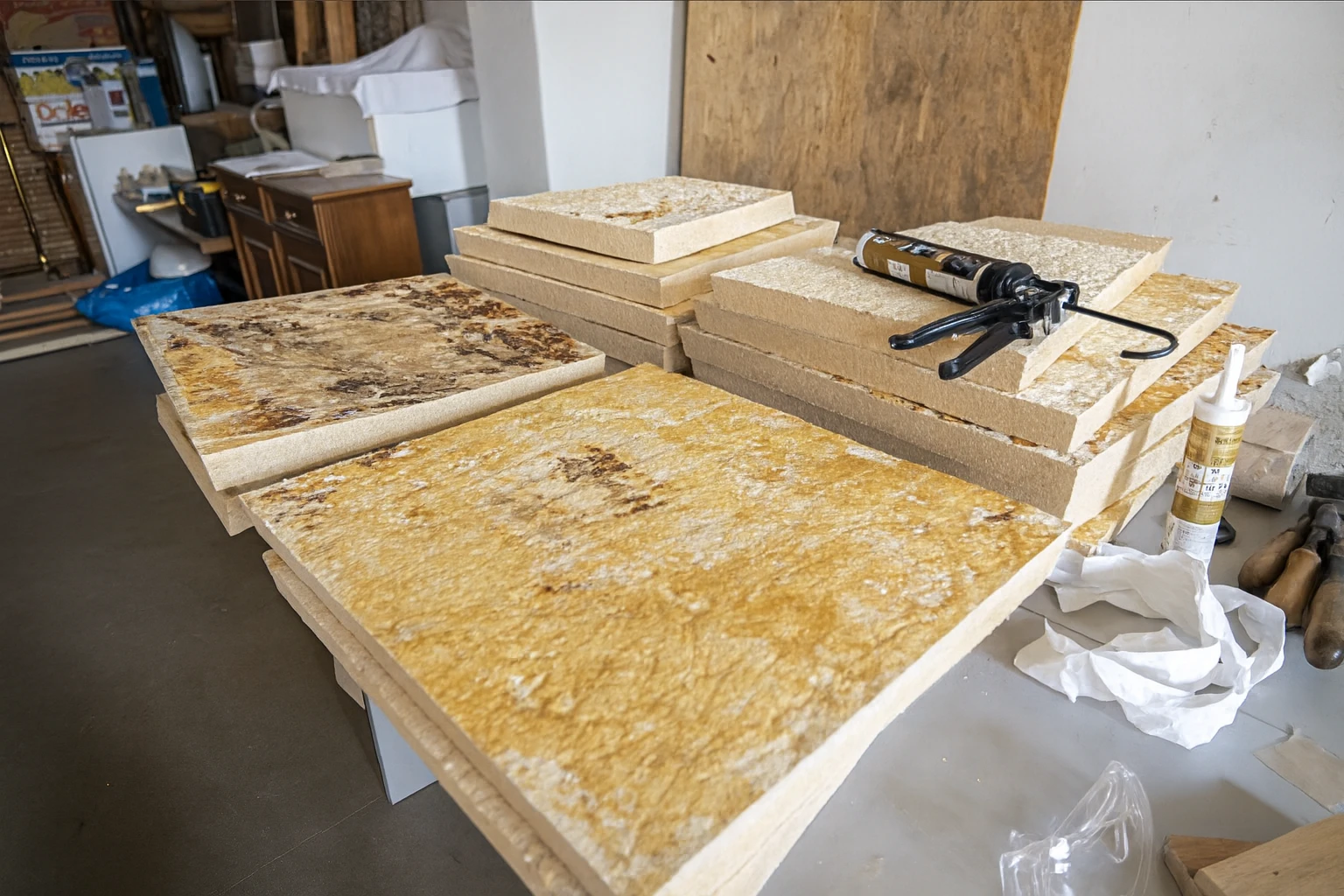
Next-Generation Insulation
Modern insulation materials include highly efficient foam insulations, aerogels, and vacuum insulation panels. These materials provide excellent thermal insulation while minimizing wall thickness, ideal for passive houses and energy-efficient buildings.
Foam insulations:
For example, polyurethane foam, which is applied by spraying and quickly expands to fill all gaps, providing excellent insulation properties.
Aerogels:
Extremely lightweight and highly insulating materials used in construction for wall, roof, and floor insulation. Aerogels have low thermal conductivity and are very effective in thin layers.
Vacuum insulation panels (VIP):
Panels with very low thermal conductivity due to the vacuum inside. VIPs provide excellent insulation with minimal thickness, ideal for applications where space is limited.
Recommendations for Choosing Building Materials
When selecting building and finishing materials, it is essential to consider several factors that will affect the final result of the construction.
Consult with a Specialist
Construction experts can provide valuable advice and recommendations on the most suitable materials for your specific project. Their knowledge and experience will help avoid mistakes and optimize costs. Specialists can also recommend modern and innovative fasteners that can improve the energy efficiency and sustainability of your home. And if you're looking for someone like that, you can find them easily and quickly on the WeCan platform.
Compare Characteristics of Different Materials
Different materials have various properties, such as strength, thermal insulation, moisture, and fire resistance. Thoroughly comparing these properties will help you choose the material that best meets your needs. You should also consider the availability of materials in your region and their environmental impact.
Consider Your Budget
The cost of building materials can vary significantly. It is important to find the best balance between quality and price, not forgetting about long-term maintenance and operation costs. Cheaper materials may seem like a good choice initially, but they may require more frequent maintenance and repairs, leading to higher costs over time.
Select Materials That Meet Your Needs
Every construction project is unique. Consider climatic conditions, building style, and specific requirements for functionality and aesthetics. Choose materials that meet these criteria and ensure the longevity and comfort of your home. For example, in areas with high humidity, materials resistant to mold and rot should be used.

Building a house is a complex process that requires careful planning and the right choice of materials. By using modern and traditional materials, you can create a home that is not only functional and aesthetically pleasing but also durable and sustainable. Remember that the right choice of materials directly affects the quality of your life in your new home and its long-term value. With the WeCan platform, you can build the home of your dreams: book a consultation with a professional construction company and get expert recommendations to help bring your project to life as efficiently and reliably as possible.